Genetics: Family history plays a major role in hair loss. Androgenetic alopecia, also known as ma…
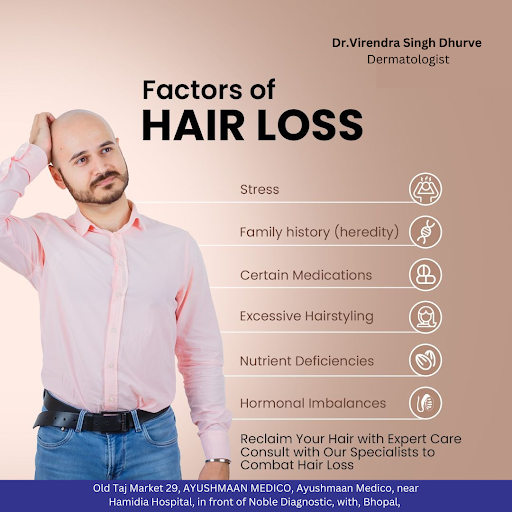
Genetics: Family history plays a major role in hair loss. Androgenetic alopecia, also known as male-pattern baldness or female-pattern baldness, is the most common type of hair loss and is influenced by genetic predisposition.
Hormonal Changes: Hormonal changes due to pregnancy, childbirth, menopause, or thyroid disorders can lead to temporary or permanent hair loss. Hormonal imbalances, such as elevated levels of dihydrotestosterone (DHT), can also contribute to hair loss.
Medical Conditions: Certain medical conditions, such as autoimmune diseases (like alopecia areata), scalp infections, trichotillomania (hair-pulling disorder), and chronic illnesses (such as lupus or diabetes), can cause hair loss.
Medications and Treatments: Some medications, including chemotherapy drugs, blood thinners, antidepressants, and medications used to treat high blood pressure and heart disease, can cause hair loss as a side effect. Additionally, radiation therapy can lead to hair loss in the treated area.